
Accommodation, Leave Requests Spiked Over Two Years: AbsenceSoft
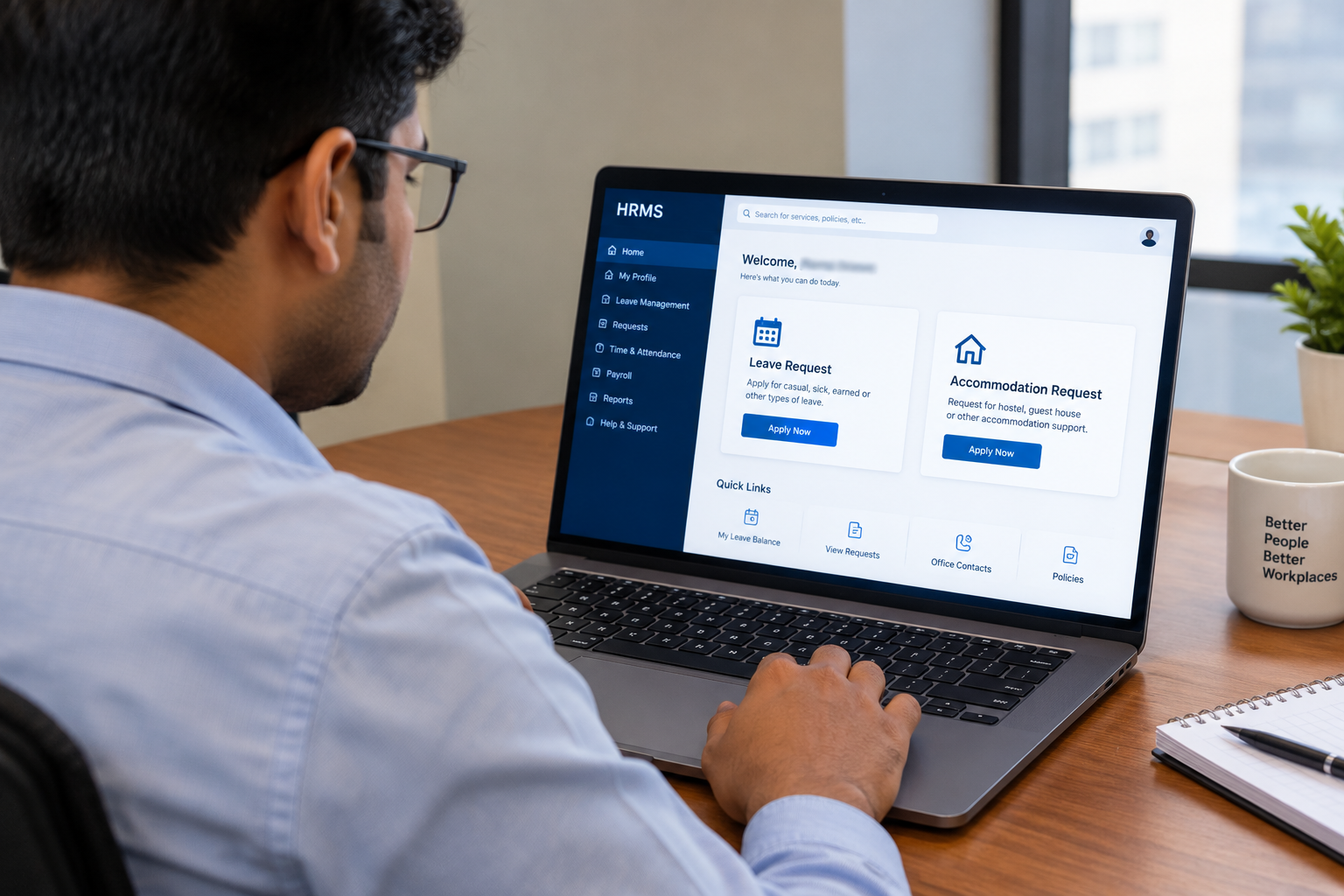
A new AbsenceSoft report found HRs stating a spike in requests for workplace accommodation (64%) & leave requests (57%).
About 64% of HR teams have reported an increase in workplace accommodation requests over the past 2 years, while 57% have seen leave requests rise, according to the latest AbsenceSoft report.
The findings highlight growing pressure on employers as workplace regulations change and HR teams struggle to manage requests and compliance requirements.
The report found gaps in HR teams’ confidence and ability to manage compliance risks. Only 42% said they were very confident they understood the legal and financial risks of mishandling accommodations. For leave, the figure was 53%.
“There’s never been more pressure on employers to get leave and accommodations right. Even avoidable failures carry real consequences,” said Seth Turner, Founder and Senior Advisor at AbsenceSoft.
Turner further added that requests are climbing, and many organisations are struggling to keep pace. But this isn’t just a compliance issue. When employees don’t get the support they need to stay and contribute, they may simply quit. Replacing an employee can cost far more than providing the accommodation in the first place.
Meanwhile, 60% of HR professionals said accommodation cases fall behind schedule, miss deadlines or require significant follow-up at least occasionally. For leave cases, 57% reported similar challenges.
Employers are also dealing with changing legal requirements. The Pregnant Workers Fairness Act (PWFA), evolving guidance under the Americans with Disabilities Act (ADA), and new state paid leave laws have changed compliance expectations. Some 38% of respondents cited keeping pace with changing requirements as a major barrier to managing accommodations. Manager training (39%) and administrative complexity (37%) were other leading challenges.
Many organisations also rely on processes that do not fully meet their needs. Some 44% said their all-in-one HR platform covers the basics but leaves compliance gaps. Only 39% said their platform fully meets their leave management needs.
Separate processes remain common. Some 42% of organisations manage accommodations through an internal process separate from other systems. Only 33% have integrated accommodation management with leave management.
Paperwork is another burden for HR teams. Half of respondents (50%) cited forms and paperwork as their biggest time drain when managing accommodations. Questions from managers and employees followed at 36%.
The challenges extend beyond compliance. Half of the organisations surveyed said they had lost employees who might have stayed with a better accommodation experience. Yet 29% do not formally track employee satisfaction after the process.
The report also linked leave and accommodations with retention and productivity. Some 66% of respondents said the leave experience plays a meaningful role in employee retention. More than half associated accommodations with stronger retention, while 53% said leave improves retention.
Some 54% said accommodations improve employee productivity. Another 44% associated leave with stronger productivity when employees return to work.
The financial impact can also be significant. More than a quarter of employers said replacing an employee during leave costs over $1,500 a week. Another 21% do not track the expense.
AI is increasingly part of leave and accommodation management, but concerns remain about its use. Some 70% of HR teams already use AI for accommodation-related tasks. However, only 7% generally act on its output without human review.
Confidence in AI’s understanding of workplace law remains limited. Only 31% of respondents were very confident that their AI tools reflect current accommodation laws. For leave laws, the figure was 27%.
Concerns about AI use were widespread. Some 77% expressed concerns about using AI for accommodations, while 79% raised concerns about its use for leave. These included data privacy, human judgement, compliance risks and accuracy.
Formal policies have not kept pace with adoption. Only a third of organisations have a formal AI policy for accommodations. The share falls to 28% for leave management.
Despite these challenges, organisations plan to increase spending. More than three-quarters intend to raise investment over the next 12 months, including 77% for accommodations and 78% for leave management.
Retention is the leading expected return on investment. It was cited by 49% of respondents for accommodations and 50% for leave. HR time savings was another expected benefit, cited by 42% for accommodations and 49% for leave.
Organisations are also exploring AI solutions. Some 35% are actively evaluating AI for accommodation management, while 22% already have an expansion plan. For leave management, 34% are evaluating options and 22% have a defined plan.