
46% Middle Managers Want Humans To Supervise AI: TeamViewer Report
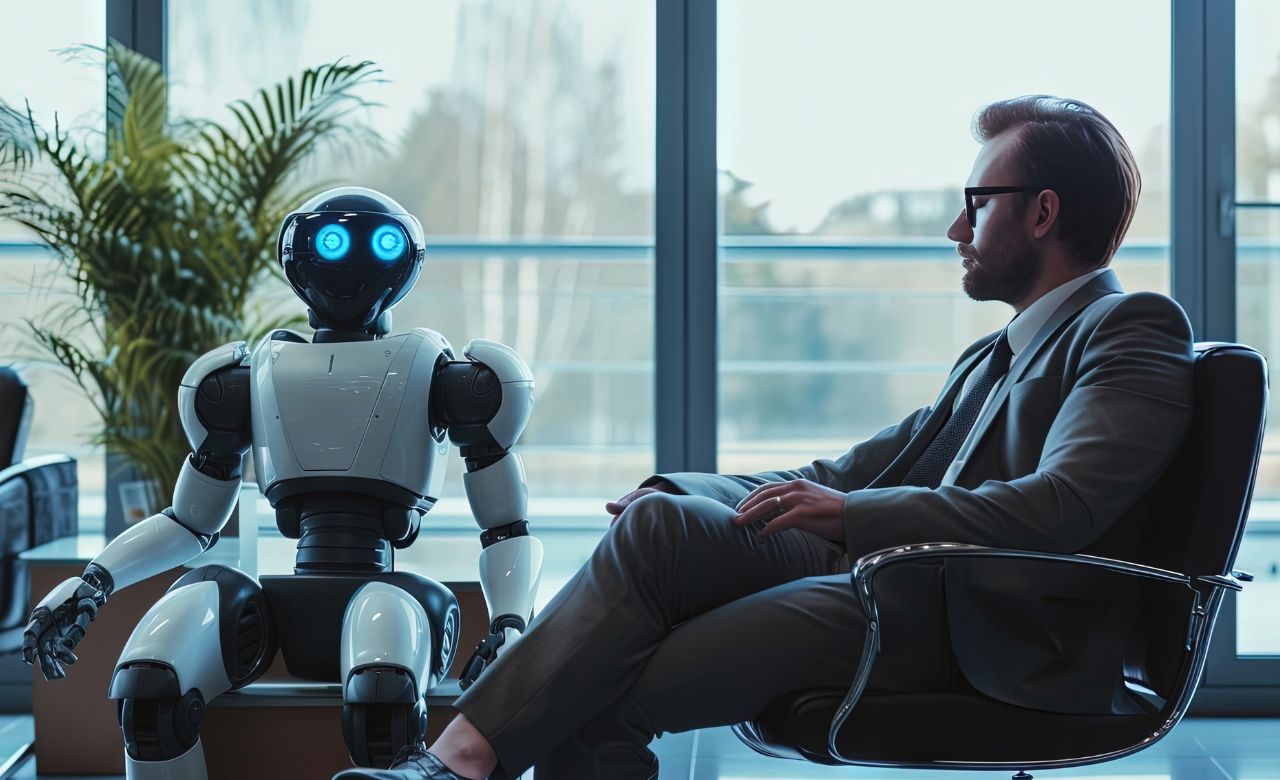
A TeamViewer study found that 46% of middle managers want human supervision wherever AI may pose security or data threats.
According to a recent report revealed by TeamViewer, 46% of middle managers want human involvement when AI handles IT or functions which may pose security and data threats. On the other hand, only about 24% of executive leaders align with this thought.
The divide is particularly significant as companies move from using AI as an assistive tool towards systems capable of independently diagnosing and resolving workplace problems. The findings suggest that employees closer to day-to-day operations may be more cautious about giving AI unrestricted authority.
Security and unauthorised access are among the biggest concerns surrounding autonomous AI systems, cited by 30% of workers overall.
The concern rises to 33% among both middle and senior managers, compared with 23% among executive leaders.
Giving workers greater control over what AI can access could help address some of these concerns. 42% of senior managers said limiting AI’s access would make them more comfortable with AI fixing workplace problems autonomously. The figure was 37% among middle managers and 32% among executive leaders.
“Security cannot be added after autonomy is introduced. The more authority an AI system has, the more important it is that its actions are transparent and that clear boundaries define when human approval is required,” said Jan Bee, CISO at TeamViewer.
49%, of workers in energy, utilities, and oil and gas want human involvement when AI handles IT issues that could affect security, data or business operations. In marketing, media and communications, the figure falls to 28%.
Security and privacy protections are another important factor in building confidence.
Nearly four in ten workers, or 39%, said strong security and privacy protections would make them more comfortable allowing AI to fix workplace problems autonomously. The figure increases to 46% among senior managers and 43% among middle managers, compared with 34% among executive leaders.
Workers also want clearer boundaries around what autonomous systems can 36% said they would want limits on what AI can access before allowing it to act independently.
Visibility is even more important. 73% said they are more likely to trust AI when it shows what it is doing and why. Another 70% are comfortable with AI taking action as long as they can intervene when necessary.
Yet confidence in AI remains incomplete. More than half, or 51%, of workers said they do not always know when to trust AI and when to verify its output.
Only 49% of respondents said accountability is clear when autonomous systems make mistakes. There is also little agreement over who should ultimately be responsible.
26% place responsibility on IT, while 25% believe they themselves should be responsible. Another 17% believe no one should be held responsible because the error was made by a system.